









Wildfires have become a devastating and frequent threat to communities across the globe, particularly in areas prone to dry conditions and seasonal winds, such as most of California. As these fires become more intense and unpredictable, homeowners and their landscape professionals are increasingly turning to proactive methods to reduce their vulnerability.
One such method is known as “firescaping” — a strategic approach to designing landscapes and hardscapes that helps mitigate the risk of wildfire damage while enhancing the aesthetic appeal and functionality of outdoor spaces. By incorporating thoughtful design, smart material choices, and innovative solutions, firescaping offers homeowners a way
to both safeguard their properties and enhance the beauty of their surroundings.
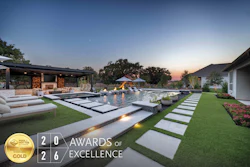
 Pools, water features, hardscape and landscaping can all be deployed to create beautiful and fire-resistant properties.
POOLS AND FIRE PROTECTION
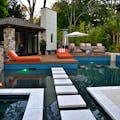
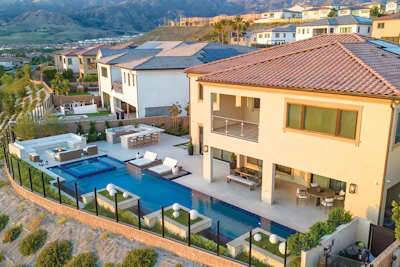
While it may seem like a luxury, having a swimming pool on your property can serve a crucial function in fire protection. During a wildfire, firefighters often rely on pools as a source of water for suppression efforts. If your home is in a fire-prone zone, installing a water drafting system that can pump water directly from your pool provides firefighters with a vital water source.
These systems can be a lifesaver in emergencies, offering quick access to water when it’s needed most.
In addition to providing a water source, innovative pump systems allow homeowners to utilize their pool’s water for firefighting purposes. New technology enables homeowners in high-risk areas to pump pool water directly through hoses and nozzles, helping to control fire near their property. These pumps are designed to work alongside local fire hydrants, providing an easily accessible and pressurized water supply.
However, it’s important to note these systems often depend on electricity, which can be compromised during a fire or in the event of high winds. Installing a backup generator is essential if you plan to rely on a pool water pump for firefighting purposes.

COMPREHENSIVE APPROACH
Firescaping is not just about planting a few fire-resistant shrubs or adding a stone wall, it’s a comprehensive landscape design philosophy focused on creating a defensible space around a property to reduce the risk of fire spreading.
This approach emphasizes the careful selection of plants and ground cover, the proper spacing of vegetation, and the strategic use of hardscape materials to slow or stop the advance of wildfires. When implemented correctly, firescaping creates a protective environment that allows the home to better withstand the intensity of fires that may be heading in its direction.
Key Strategies for Firescaping:
Fuel Modification Zones: A cornerstone of firescaping is the concept of fuel modification — an intentional process that reduces the amount of combustible vegetation and debris around your home. This involves creating specific zones around the property, each with varying levels of vegetation.
Zones nearest to the home should feature low-lying plants that are less likely to catch fire, while the outer zones may include more drought-resistant, fire-resistant plantings. Proper spacing between trees and plants also prevents fire from quickly traveling across the landscape. Regular pruning, weeding, and maintenance are vital in these zones to keep them effective.

Low-Fuel Plants and Proper Spacing:
When selecting plants for your firescape, prioritize fire-resistant, low-fuel species that are naturally drought-tolerant and have high moisture content. These plants, like succulents, ground covers, and some ornamental grasses, retain moisture and produce less flammable material than others.
Additionally, proper spacing between plants is crucial to prevent fire from spreading quickly across your landscape. Group plants with similar water needs together and avoid using flammable materials like shredded wood mulch, which can act as a wick for fire.
Trees that produce dry foliage, such as some varieties of palm trees and evergreens, for example, should not be located near the house, or eliminated completely.
Hardscape Elements as Fire Barriers:
While plants play a major role in firescaping, hardscape features — such as patios, walkways, and retaining walls — are equally important. Stone, concrete, and gravel paths can act as natural firebreaks, slowing down or even halting the spread of flames. Hardscaping materials like decomposed granite or natural stone add not only protection but also visual appeal to your landscape. Thoughtfully placed fire-resistant hardscape elements create an effective buffer zone that reduces the availability of fuel around your home.

Aluminum Outdoor Structures:
Outdoor structures like pergolas, fences, and patio covers provide a great opportunity to incorporate fire-resistant materials into your firescaping plan. In high-risk areas, aluminum has become an ideal alternative to wood, which is highly flammable.
Aluminum is not only non-combustible, but it is also durable, low-maintenance, and comes in modern designs that can complement a wide variety of home styles. Whether you’re building a patio, cover, a fence, or a shade structure, aluminum offers a sleek, stylish, and safe option for your outdoor spaces.
NOT A GOOD IDEA
One measure I do not support is eliminating gas lines. This ill-advised concept has caught on in a big way in California. The rationale has been part of a clean energy initiative. After the fires, however, there has been a call to eliminate gas lines as a fire-prevention measure, which appears to be entirely baseless.
Gas lines are buried and do not pose a fire hazard, while the fire features they fuel are only ever used intermittently. Yes, there are safety concerns with decorative fire features — simple things like keeping them always from overhanging foliage and free of debris — but, when maintained and used properly, they pose virtually no risk.
In terms of environmental impact, it helps to remember that a large wildfire — such as the one that swept through Pacific Palisades — can release an enormous amount of CO2, in some cases comparable to the annual emissions of more than a million cars.
I contend that effective fire prevention is achievable without a draconian ban on gas lines.

A HOLISTIC APPROACH
Firescaping isn’t merely about mitigating fire risk — it’s also about creating a sustainable, resilient outdoor space that enhances the beauty and function of your property. By using fire-resistant plants, carefully planned fuel-modification zones, and durable hardscape materials, you can build a landscape that not only reduces fire risk but also adds value to your home. And with the incorporation of innovative solutions like pool water drafting systems and aluminum outdoor structures, you can ensure your property is better equipped to withstand the growing threat of wildfires.
Firescaping is a blend of beauty, practicality, and fire prevention, offering homeowners the opportunity to be proactive in the face of an escalating natural hazard. By incorporating the right materials, strategic design elements, and emerging technologies, you can create a landscape that not only withstands wildfire conditions but also provides lasting beauty and value.
As wildfires continue to increase in frequency and severity, firescaping is no longer just an option — it’s a necessity for homeowners in high-risk areas. By adopting these strategies, you can significantly reduce the risk of wildfire damage while still enjoying an attractive, functional, and fire-resilient outdoor environment. It’s a proactive, responsible approach to landscape design that protects your home, your family, and your community.
Editor's Note: This article first appeared in WaterShapes.