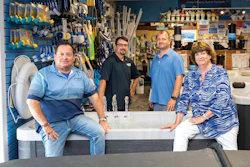












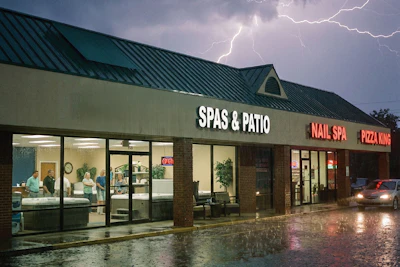
When Hurricane Florence barreled through Myrtle Beach, South Carolina, in 2018, the city’s Waccamaw River crested higher than ever recorded, flooding more than a thousand homes. Three of Graves Pools & Spas’ 50-some staff were hit hard. Good thing owner Shannon Graves Jones knew what to do.
“Number one, take care of your ‘family,’” she says. “When people see how much you care for them, they’re wholly invested and want to do their best, and also help each other.”
From a hurricane and warehouse fire to a major power outage and violent customer, a workplace crisis could strike you anytime. So, gear up with the right insurance, document storage, evacuation plans — and a prepared staff.
BE READY
- Stay connected. Good working relationships allow staff to trust you and each other. “My priority is my team,” says Jones, “and communication is key. I want to talk with you and know you.”
- Steel yourself. Before anything happens, imagine worst-case scenarios and mentally practice responding to them calmly and wisely.
- Build a team. To help you plan the best strategy, select employees who have compassion and good communication and decision- making skills. Jones finds them in her eight managers, who meet weekly to stay abreast.
- Keep procedures current. Jones’ managers follow written steps to prepare for that coming calamity, ready to assign specific roles to their staff. Regularly review your policies with employees and lead monthly evacuation drills.
- Gather your resources. Have on hand a list of local organizations that support businesses and their employees before, during, and after a workplace crisis.
WHEN IT HAPPENS
- Lead confidently. Be a strong role model and a positive example for employees to follow. Make it easy for them to trust your judgment.
- Assure staff safety. Quickly get your employees out of harm’s way. Then let them know you’re doing whatever possible to keep them there. “Everything can be replaced except human lives,” reminds Jones.
- Assess the situation. How bad is it? Who appears to be hurt? Who’s able to help you take charge? What’s damaged?
- Keep your cool. Stay calm, grounded, and focused, so you can make the best decisions and safely guide employees. “Do what you can that’s in your control right then and try not to worry about what could still happen,” says Jones.
- Involve your staff. When you delegate tasks to them, they’ll feel more in control and empowered to do their best in responding to the situation.
- Keep it moving. Get staff actively doing constructive tasks to help them manage their possible fear and confusion.
- Stand by your staff. Support them in how they reasonably decide to protect themselves and others. Few people can be heroes.
WHEN IT’S OVER
- Reach out. Check in with staff. Did they get home safely? What do they need? Jones rented places for the three employees whose homes were flooded, until they could move back in.
- Recognize the signs. Anxiety and depression can look like anger or distraction. Errors and absenteeism are also common. “When anyone isn’t exhibiting their usual traits, that’s when we need to have a conversation in a safe, private space,” says Jones.
- Let people vent. Allow staff to talk about their feelings with you and each other. It helps alleviate the stress and harsh impact of the crisis.
- Give room to grieve. You all have suffered a loss, especially if the crisis results in injury, illness, or death.
- Call in an expert. Encourage any employee to see a counselor if their trauma from the crisis seems prolonged. Consider paying for it and give them time off.
- Be flexible. Plan to deviate from the norm. Give other paid time off, adjust work schedules, and allow for more frequent personal- phone use.
- Share updates. Inform staff of any changes to your pool and spa dealership and your plans for new business hours, overtime, or layoffs.
- Share the load. Help out where needed and give staff the opportunity to learn new tasks, so they’re trained to cover for each other.
- Stay productive. When everyone keeps busy with constructive and goal-oriented work, you can ride out trauma more smoothly.
- Reinforce favorable behavior. Frequently praise staff for jobs well done, no matter how small. Jones says, “I do shout-outs all the time for the positives during team meetings. They have to be public.”
GO FORTH
A crisis can throw even the most sure- footed business off balance, and it’s normal to not return completely to the way things were before.
To move things forward, help employees maintain a healthy lifestyle and work-life balance. If your workplace crisis makes the news, suggest to staff that taking in too much of it could retraumatize them.
Many crises arrive in ways you can’t imagine, but they needn’t be devastating for you and your pool and spa dealership. Not only can you learn what you can tolerate, but also what you can triumph over. When you do, you and your staff can emerge stronger than you ever thought possible.
Jones thinks about a couple of her younger employees who didn’t grow up in a close-knit family. “When they go through something and see that someone has their back probably for the very first time in their life, that changes them. They feel pride and that they’re part of a team,” she says. “We’ve been here for 50 years, and I don’t think there’s anything we can’t go through and come back better on the other side.”
This article first appeared in the April 2026 issue of AQUA Magazine — the top resource for retailers, builders and service pros in the pool and spa industry. Subscriptions to the print magazine are free to all industry professionals. Click here to subscribe.