








For decades, the North American residential sauna lived a somewhat closeted existence. It was the dark, knotty-cedar box tucked away in a corner of the basement, right next to the furnace room or the home gym. It was entirely functional, culturally isolated, and visually forgettable.
But a massive shift is underway in the luxury wellness market. Today’s homeowners no longer want to hide their wellness rituals away in the dark. They want to showcase them. Driven by the explosive rise of contrast therapy and a deeper appreciation for authentic bathing culture, the residential sauna has evolved from a hidden appliance into a striking piece of high-end architecture.
For pool and spa professionals, this aesthetic revolution represents a massive opportunity. A modern sauna is no longer just an add-on sale, it is a visual anchor that can elevate an entire backyard oasis or luxury master suite. To capture this discerning market, builders and dealers must understand the latest design trends transforming the humble sweat room into a design masterpiece.
THE GREAT OUTDOORS: INTEGRATING WITH THE LANDSCAPE
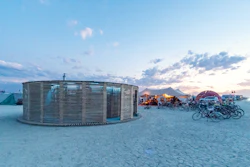
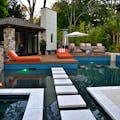
While high-end interior saunas integrated into master baths and home spas remain a staple of luxury builds, the undeniable frontier of modern sauna design is happening outside. The backyard sauna is no longer an afterthought tossed onto a concrete pad in the corner of the yard, it is being intentionally designed into the master pool and landscaping plan.
The most successful modern outdoor saunas mirror the architecture of the main home. We are seeing a shift toward flat or mono-pitch roofs, sharp geometric lines, and large glass footprints that seamlessly blend into contemporary outdoor kitchens and living spaces.
When positioned alongside a premium pool, a custom outdoor shower, or a cold plunge, the sauna ceases to be a detached structure — it becomes the focal point of a dedicated backyard wellness pavilion.
THE GLASS WALL REVOLUTION
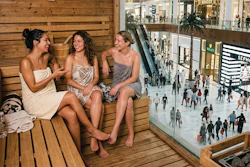
Whether indoors or outdoors, the single biggest design trend transforming sauna aesthetics is the elimination of solid walls in favor of massive, floor-to-ceiling tempered glass fronts.
Historically, saunas were windowless, insulated boxes built to trap heat at all costs. Modern engineering allows us to use large expanses of high-temperature glass without sacrificing the thermal efficiency of the room.
The aesthetic impact is profound. Indoors, a glass wall opens up the space, making a master bathroom feel like a boutique commercial spa and preventing that claustrophobic feeling. Outdoors, a glass facade blurs the line between the intense heat of the interior and the natural beauty of the surrounding landscape. Bathers can sit in comfort while looking out over a pristine pool or a snow-covered garden, turning the view itself into part of the therapy.
CLEAN LINES AND FLOATING FURNITURE
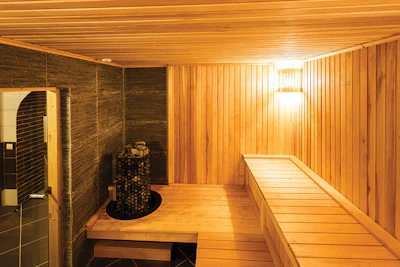
Inside the sauna, the traditional look of visible drywall screws, heavy trim, and standard horizontal slats is giving way to a clean, minimalist aesthetic.
Modern interior sauna design treats benching like custom, floating furniture. By utilizing hidden-fastener systems, builders can create sleek, multi-tier benches with no visible hardware.
We are also seeing a dramatic shift in how wood profile lines are utilized. Instead of standard horizontal board layouts, designers are opting for bold, vertical cladding or ultra-wide plank profiles. Vertical lines visually elongate the room, giving even smaller footprints a grand, spacious feel. Combining different bench widths or creating seamless, wraparound L-shaped benches adds a sophisticated, tailored look to the interior.
BEYOND STANDARD CEDAR: MATERIAL INNOVATION
Western Red Cedar will always hold a sacred place in North American sauna culture due to its aroma and decay resistance. However, the modern aesthetic is embracing a much wider, more sophisticated palette of materials.
THERMOWOOD: Thermally modified wood, such as thermo-aspen, thermo-pine, or thermo-alder, is taking the luxury market by storm. Through a chemical- free heat and steam process, the wood is baked to perfection, altering its molecular structure to make it incredibly dimensionally stable. Visually, it gives the wood a deep, rich, dark tone that exudes luxury and won’t warp or shrink under extreme temperature swings.
HIGH-CONTRAST PALETTES: Designers are increasingly playing with contrast. A major trend involves pairing ultra-dark, charred (inspired by traditional Japanese Shou Sugi Ban) or dark-stained exterior cladding with bright, clean, knot-free interior woods like aspen or alder. This creates a dramatic visual transition the moment the bather opens the sauna door.
SCULPTURAL, HIGH-MASS HEATERS: The heater is the heart of the sauna, and it is no longer something to be hidden behind a wooden guardrail. Modern electric heaters are designed to be sculptural centerpieces. Towering, pillar-style stone baskets or sleek, drop-in heaters integrated directly into the lower benches put the beauty of the olivine stones on full display. They look like functional art, drawing the eye and anchoring the room’s design.
THE MOOD SHIFT: SOPHISTICATED LIGHTING
You can build a sauna out of the finest wood in the world, but if you light it with a harsh, overhead bulkhead light, the aesthetic is ruined. Modern sauna design relies heavily on indirect, low-voltage, dimmable LED lighting to create a serene, dramatic play of shadow and light.
Instead of seeing the light source itself, the trend is to hide LED strips underneath the lip of the benches, behind ergonomically curved backrests, or recessed into the ceiling. This casts a soft, warm glow across the wood grain, instantly lowering the bather’s heart rate and setting a meditative, premium tone before the sweat session even begins.
DESIGN WITH PURPOSE: HONORING THE THERMAL CYCLE
As pool and spa professionals, it is vital to remember that great design must always respect authentic function. A beautiful sauna that lacks proper ventilation or sufficient stone mass is just an expensive hot closet.
Furthermore, a sauna shouldn’t be designed in isolation. True authentic sauna culture relies on the thermal cycle: heat, cold immersion, and a mandatory rest period.
When planning these spaces for your clients, design for the entire journey. Ensure the path from the sauna to the cold plunge or pool is seamless, and always dedicate prime real estate to an aesthetically pleasing relaxation area. Whether it’s a pair of minimalist loungers on a deck or a comfortable seating nook adjacent to an indoor spa, the rest area is where the magic of the thermal cycle settles in.
By treating the residential sauna as a critical, high-design architectural component of the overall landscape or home interior, you aren’t just selling a wellness product, you are delivering a stunning, lifestyle-defining centerpiece.
Alan Jalasjaa is a leading specialist in thermal wellness and authentic sauna culture and a regular contributor to AQUA Magazine.