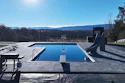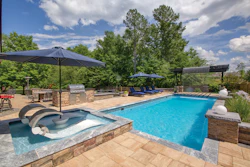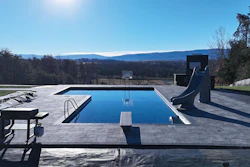













The climate in the higher latitudes of North America, with its freeze-thaw cycles and long dormant periods, demands more of a swimming pool. So the question of how fiberglass pools — due to their growing popularity — perform in this environment is an important one for builders in the region.
After all, winters in the frozen North are no joke. Pools may sit under snow and ice for months at a time. Temperatures can swing from 30 below zero to above freezing within days, and the ground itself moves as it freezes and thaws throughout the season. It's a fair concern for any product that is exposed to the elements.
The good news is that thousands of fiberglass pools across the North operate successfully year after year, despite long winters and brutal weather conditions. Properly installed fiberglass swimming pools can perform very well in cold climates, and have for decades, even in states like mine, Wisconsin, where the ground freezes deeply each winter (4 to 6 feet).
Understanding what actually happens to a pool during our frigid winters can help explain why fiberglass is a good option.
How do fiberglass pools survive a hard, deep freeze?
The key factors usually boil down to three things:
- Proper pool installation
- Adequate drainage and base preparation
- Correct winterization procedures
When those elements are handled properly, brutal winter conditions rarely cause problems for fiberglass or any other type of inground pool.
What happens to a swimming pool in the depths of winter?
Pools experience several environmental forces during winter that are less common in warmer parts of the country. Understanding these forces helps explain why installation practices and winterization procedures matter so much.
Freeze Expansion
Water expands by roughly 9% when it freezes. If water is trapped inside plumbing lines or equipment during winter, that expansion can cause damage. This is why winterizing a pool involves blowing out plumbing lines and removing water from pumps, filters, and other equipment.
When winterization is done properly, freeze expansion rarely affects the pool structure itself. When pool water freezes, it doesn't only expand out, but it expands up, too! If the water level is not kept at the proper height prior to freezing, it can expand up into pool coping, cantilevered concrete, or other pool components and exert enough force to create damage.
Frost Heave
In northern climates, moisture in soil can freeze and expand, causing the ground to lift slightly during winter.
This process, known as frost heave, is common in regions where frost lines extend several feet below the surface. In Wisconsin, we experience an average of 4 to 6 feet of frost, very typical along this line of latitude. It's deeper further North.
As temperatures warm in the spring, the soil settles again. Pools installed with proper base preparation and backfill materials will accommodate this seasonal ground movement.
Groundwater Pressure
Another factor in northern regions is seasonal groundwater movement.
During spring thaw, melting snow and rain can temporarily raise groundwater levels around a pool. This increases hydrostatic pressure on the pool shell.
Modern pool installations typically account for this through drainage design and structural engineering.
The use of a sump pipe is critical to give pool owners a method to remove groundwater around a pool.
Ice Sheet Movement
When a pool freezes over, a sheet of ice forms across the surface. As temperatures fluctuate, that ice can expand and contract slightly against the interior surface of the pool.
For this reason, most pools are not drained completely during winter. Maintaining water inside the pool helps balance pressure and support the structure.
How Do Different Pool Types Handle Freeze-Thaw Conditions?
All major pool types — fiberglass, vinyl liner, and concrete — have been installed successfully in northern climates.
However, each type interacts with soil movement, temperature changes, and long-term wear somewhat differently.
Fiberglass Pools in Winter
Fiberglass pools are manufactured as a single molded shell with a smooth gelcoat surface. One key characteristic associated with fiberglass pool shells is their structural flexibility. This allows the pool to move slightly with surrounding soil conditions without placing excessive stress on the shell itself.
The smooth interior surface also tends to resist algae growth and generally requires less long-term surface maintenance and is resistant to damage from ice in the pool.
Due to these two factors, fiberglass is actually an excellent material for an inground pool in northern climates. Better, in fact, than concrete, when you think of the relative rigidity of concrete, and its susceptibility to cracking.
Vinyl Pools in Winter
The steel or polymer wall panels in a vinyl pool hold up pretty well structurally in winter, but the relatively thin vinyl material suffers greater degradation than the smooth, gelcoated fiberglass surface in the winter months. Yes, regular vinyl liner replacement is part of the plan for all vinyl pools, but hard winters reduce the liner's life.
- All of this analysis assumes a quality installation, including
- proper excavation and base preparation
- effective drainage around the pool
- correct plumbing installation
- appropriate backfill materials
- thorough winterization procedures
When these elements are done correctly, fiberglass pools can operate successfully for decades in regions with long, cold winters. One thing is certain, if there are any flaws in the installation process of any pool in a harsh climate, Mother Nature will expose them once the arctic weather sets in.
In summary, northern winters are tough on just about everything, but properly designed and installed fiberglass swimming pools are built to handle the challenge. All pool materials have pros and cons, and they all have a place in the northern market, but taking everything into account, from price to supply to performance, fiberglass is a great option for durability through the great northern winter.